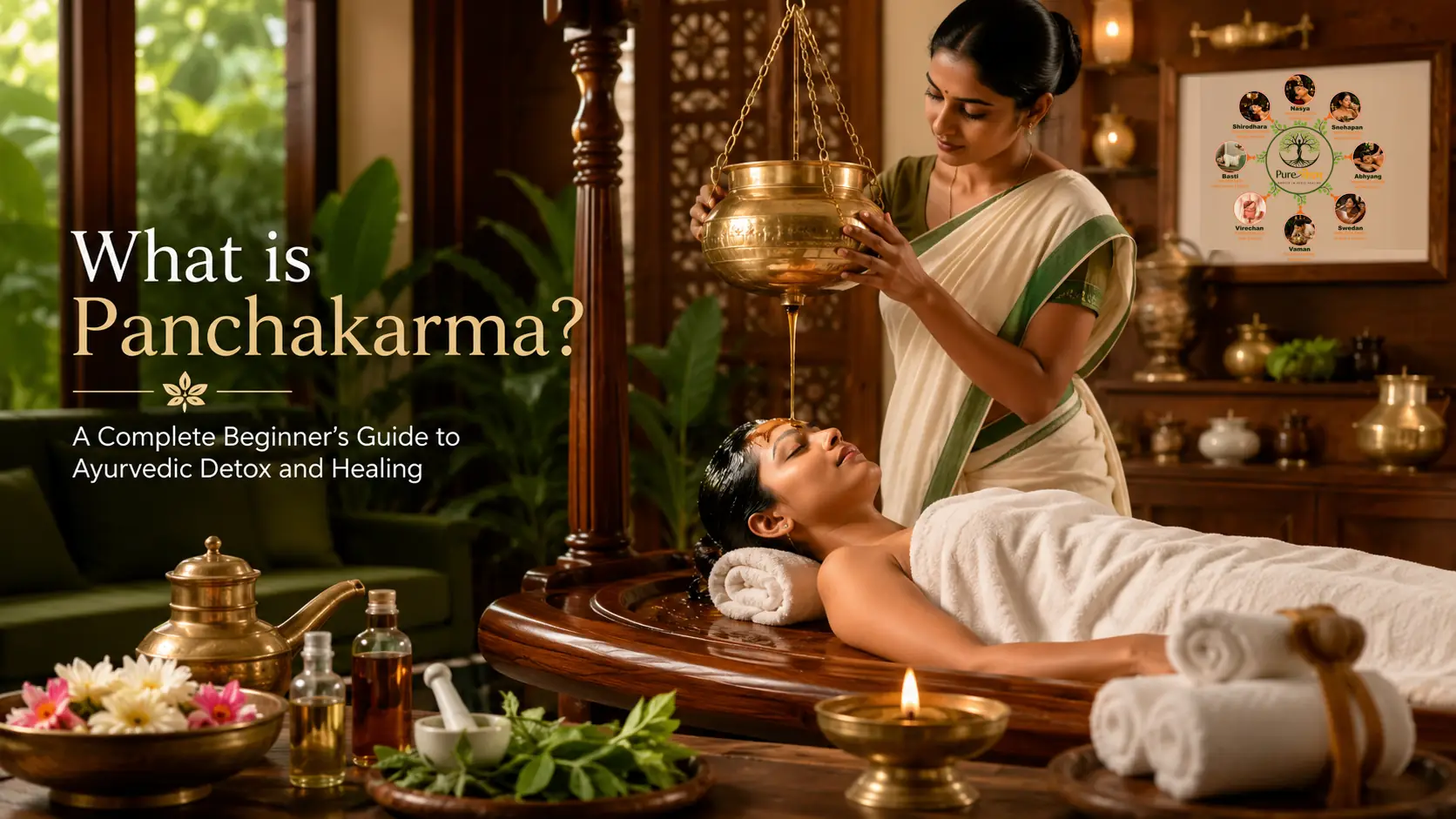
Discover how Ayurveda’s time-tested purification therapies help restore balance, support natural healing, and promote long-term wellness.
Introduction
Modern life places extraordinary demands on our bodies. Irregular eating habits, stress, poor sleep, environmental pollutants, and sedentary lifestyles can gradually affect our physical and mental well-being. While many treatments focus on managing symptoms, Ayurveda takes a different approach—it aims to identify and address the underlying imbalance.
One of the most respected healing practices in Ayurveda is Panchakarma, a carefully planned series of cleansing and rejuvenation therapies designed to support the body’s natural healing processes.
If you’ve ever wondered what Panchakarma is, how it works, or whether it’s right for you, this guide will help you understand the principles behind this traditional Ayurvedic practice.
What is Panchakarma?
The word Panchakarma comes from Sanskrit:
- Pancha = Five
- Karma = Actions or procedures
Together, Panchakarma refers to five classical cleansing procedures described in Ayurvedic texts. These therapies are performed under the guidance of qualified Ayurvedic practitioners after careful evaluation of an individual’s health, body constitution (Prakriti), and current imbalance (Vikriti).
Unlike many modern detox programs that last only a few days, Panchakarma is a structured therapeutic process that includes preparation, cleansing, and recovery phases.
Its purpose is not simply “detoxification,” but to help restore balance within the body according to Ayurvedic principles.
The Ayurvedic View of Health
According to Ayurveda, health is maintained when the body’s natural energies—known as Vata, Pitta, and Kapha—remain in balance.
When these doshas become disturbed due to poor diet, stress, unhealthy habits, or seasonal changes, the body may begin to experience discomfort or illness.
Ayurveda also describes the accumulation of Ama, a concept referring to incompletely processed metabolic waste that may contribute to imbalance.
Panchakarma therapies are traditionally used to help eliminate accumulated impurities and support the body’s natural balance.
Why is Panchakarma Different from a Regular Detox?
Many commercial detox programs focus primarily on juices, fasting, or supplements.
Panchakarma is fundamentally different because it is:
- Personalized for each individual
- Based on classical Ayurvedic assessment
- Supervised by qualified practitioners
- Combined with diet, herbal preparations, therapeutic massage, and lifestyle guidance
- Designed to support long-term balance rather than short-term cleansing
Every treatment plan is customized according to the individual’s needs rather than following the same routine for everyone.
The Five Classical Panchakarma Therapies
1. Vamana (Therapeutic Emesis)
Performed only when clinically appropriate, this therapy is traditionally used in Ayurveda to help eliminate excess Kapha under medical supervision.
2. Virechana (Therapeutic Purgation)
A carefully supervised cleansing procedure traditionally used to help manage excess Pitta through the digestive system.
3. Basti (Medicated Enema Therapy)
Considered one of Ayurveda’s most important therapies, Basti involves the administration of specially prepared herbal oils or decoctions according to classical Ayurvedic methods.
4. Nasya
This therapy involves administering herbal preparations through the nasal passages as described in Ayurvedic texts.
Nasya is traditionally used in treatments involving the head and neck region.
5. Raktamokshana
A specialized purification procedure described in classical Ayurveda and performed only in selected situations by trained practitioners where appropriate.
The Three Stages of Panchakarma
1. Preparation (Purva Karma)
Before the main therapies begin, the body is gently prepared.
This stage may include:
- Dietary adjustments
- Herbal preparations
- Oil massage (Abhyanga)
- Steam therapy (Swedana)
These preparatory measures help ready the body according to Ayurvedic principles.
2. Main Cleansing (Pradhana Karma)
The appropriate Panchakarma therapies are selected based on the individual’s assessment.
Not everyone undergoes all five procedures. Treatment is personalized according to the practitioner’s evaluation.
3. Recovery (Paschat Karma)
Recovery is an essential part of Panchakarma.
This phase may include:
- Gradual return to a regular diet
- Lifestyle recommendations
- Herbal support
- Follow-up consultations
Following post-treatment guidance is important for achieving the intended benefits of the therapy.
Who May Consider Panchakarma?
People often explore Panchakarma as part of their wellness journey if they are looking for:
- Seasonal rejuvenation
- Stress management
- Improved digestion
- Greater energy and vitality
- Support for healthy lifestyle changes
- Traditional Ayurvedic wellness care
If you have an existing medical condition, consultation with a qualified healthcare professional is important before beginning any treatment.
What Happens During Your First Consultation?
A Panchakarma program begins with a detailed Ayurvedic assessment.
Your practitioner may evaluate:
- Health history
- Lifestyle habits
- Diet
- Sleep patterns
- Digestive health
- Body constitution (Prakriti)
- Current imbalances
Based on this assessment, a personalized treatment plan is created.
Benefits Traditionally Associated with Panchakarma
Classical Ayurvedic literature describes Panchakarma as supporting:
- Natural cleansing processes
- Balance of the doshas
- Healthy digestion
- Mental clarity
- Relaxation
- Rejuvenation
- Overall well-being
Individual experiences vary, and outcomes depend on many factors, including overall health, adherence to treatment, and lifestyle.
How Long Does Panchakarma Take?
The duration depends on the treatment plan.
Some programs may last only a few days, while comprehensive Panchakarma programs often extend over one to three weeks.
The exact duration is determined after consultation with an Ayurvedic practitioner.
Preparing for Panchakarma
Before beginning treatment, your practitioner may recommend:
- Eating simple, easily digestible meals
- Staying well hydrated
- Reducing processed foods
- Limiting alcohol and smoking
- Following prescribed herbal preparations if advised
Preparation helps the body transition into the cleansing process.
After Panchakarma
The recovery period is just as important as the therapies themselves.
Patients are generally advised to:
- Follow dietary recommendations
- Resume activities gradually
- Maintain healthy sleep routines
- Continue lifestyle guidance provided by their practitioner
These measures help support the body’s natural recovery.
Is Panchakarma Safe?
When performed by qualified Ayurvedic professionals after proper assessment, Panchakarma is intended to be individualized and medically supervised.
However, these therapies are not suitable for everyone, and self-administering Panchakarma techniques at home is not recommended.
Always consult a qualified Ayurvedic practitioner to determine whether Panchakarma is appropriate for your individual circumstances.
Common Myths About Panchakarma
Myth: Panchakarma is just a spa treatment.
Reality: While relaxing therapies such as massage may be included, Panchakarma is a structured therapeutic process rooted in classical Ayurveda.
Myth: Everyone receives the same treatment.
Reality: Every Panchakarma plan is personalized after detailed assessment.
Myth: Panchakarma is only for people who are sick.
Reality: Many individuals also choose Panchakarma as part of preventive wellness and seasonal rejuvenation under professional guidance.
Frequently Asked Questions
Can Panchakarma be done at home?
No. Classical Panchakarma should always be performed under the supervision of qualified Ayurvedic practitioners.
Will everyone receive all five therapies?
No. Treatment is customized according to the individual’s needs.
Is Panchakarma painful?
Most therapies are designed to be comfortable, although individual experiences may vary depending on the specific procedures performed.
How often should Panchakarma be done?
The appropriate frequency depends on your health, lifestyle, and your practitioner’s recommendations.
Begin Your Wellness Journey
Panchakarma is more than a cleansing program—it represents Ayurveda’s holistic approach to restoring balance and supporting long-term wellness.
Every individual has unique health needs, which is why personalized assessment and professional guidance are at the heart of authentic Panchakarma.
If you’re considering Panchakarma, begin with a consultation from qualified Ayurvedic professionals who can understand your health goals and recommend an approach tailored specifically for you.
At PureVedam, we are committed to delivering authentic Ayurvedic care through personalized Panchakarma therapies, compassionate guidance, and traditional healing practices that place your well-being first.
Take the first step toward a healthier, more balanced life—book your consultation and discover how personalized Ayurvedic care can support your wellness journey.
PureVedam is a holistic Ayurvedic wellness center located in Gota,Ahmedabad. We focused on treating the root cause — not just symptoms. We combine traditional Ayurvedic therapies with modern understanding to deliver personalized healing for body and mind.